Seller Carry Back Financing: How Owner Financing Commercial Property Works
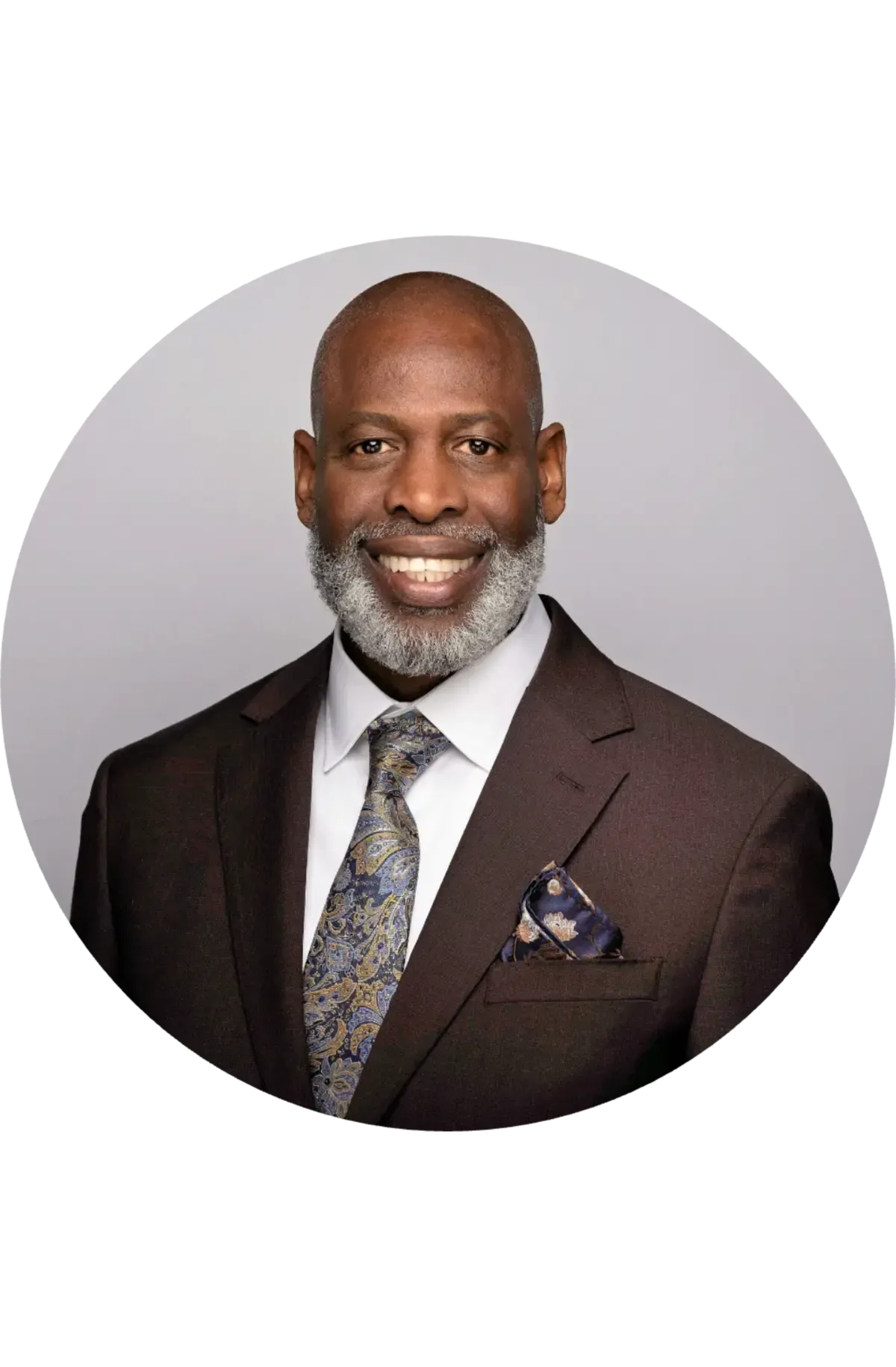
By Javier Brown, Commercial Real Estate Agent, MGR Real Estate · DRE #01755491
This guide is general information, not legal or tax advice. Every deal is different. Talk to a real estate attorney and your CPA before you buy or sell with seller financing.
When a listing says "owner will carry," the seller is offering to act like the bank. Instead of getting the whole price at closing, the seller takes a down payment and lets the buyer pay the rest over time. People call this seller carry back, seller financing, owner financing, or "seller carry paper." The "paper" is the note the buyer signs.
For buyers of commercial property in the Inland Empire, especially land, truck yards, and small industrial buildings, owner financing can be the difference between a deal that works and one that never gets off the ground. Here's how it works in plain English.
What does "owner will carry" mean?
It means the seller is willing to finance part (sometimes most) of the purchase price. The buyer makes payments to the seller, with interest, instead of to a bank. The property itself secures the loan, so if the buyer stops paying, the seller can take the property back through foreclosure.
How seller financing commercial real estate works
- Down payment. The buyer pays part of the price in cash at closing. Sellers usually want a meaningful down payment because it shows the buyer is serious and gives the seller a cushion.
- Promissory note (the carry back note). This is the buyer's written promise to repay: the amount, the interest rate, the payment, and the due date.
- Deed of trust. In California, the note is secured by a deed of trust recorded against the property. It's what gives the seller the right to foreclose if the buyer defaults.
- Interest rate. Negotiated between buyer and seller. It may be higher or lower than a bank's rate, depending on the deal.
- Amortization. The schedule the payment is based on, for example 25 or 30 years. A longer amortization means a lower monthly payment.
- Term and balloon. Most carry back notes are due much sooner than the amortization, often in a few years. The remaining balance, the "balloon," is due all at once. Most buyers pay it by refinancing with a bank or selling.
A simple example (hypothetical numbers)
These numbers are made up to show how the pieces fit together. They are not a real deal or a quote.
| Item | Hypothetical amount |
|---|---|
| Purchase price of a truck yard | $1,000,000 |
| Buyer's down payment (25%) | $250,000 |
| Seller carry back note | $750,000 |
| Interest rate / amortization | 7% / 30 years |
| Approximate monthly payment | about $4,990 |
| Term | 5 years, then balloon |
| Approximate balloon at year 5 | about $706,000 |
In this example, the buyer owns and uses the yard right away, pays the seller monthly, and has five years to build income, improve the property, and refinance to pay off the balloon.
Why owner financing is a great way to buy commercial property
- Faster close. No bank appraisal committee or long underwriting. Escrow can move as fast as title and due diligence allow.
- Flexible terms. Down payment, rate, payment, and term are all negotiable. You can structure interest-only months, a lower first-year payment, or other terms that fit your business.
- Less bank paperwork. The seller sets the requirements, not a loan committee. Many sellers still want financials, but it's usually simpler.
- Works for properties banks avoid. Raw land, truck and contractor yards, older buildings, and properties with unusual uses can be hard to finance. A seller who already knows the property is often more comfortable lending on it.
- Buy now, refinance later. You get control of the property today and can refinance once your income, the property, or rates improve.
Benefits for sellers who carry paper
- Possible tax deferral. An installment sale may let a seller spread the capital gain over the years they receive payments instead of paying it all in one year. Talk to your CPA about how it applies to you.
- Interest income. The seller earns interest on the balance, secured by a property they know well.
- More buyers. Offering terms opens the door to buyers who can't, or don't want to, get a bank loan.
- Often a stronger price. Buyers will often pay more for good terms, because the terms make the deal possible.
Risks and how to protect yourself
- Title. Always get a title report and title insurance. Know every lien on the property.
- Use escrow. Close through a licensed escrow company so the note and deed of trust are signed and recorded correctly.
- Hire a real estate attorney. Have the note and deed of trust reviewed or drafted by an attorney, on both sides.
- Due-on-sale clauses. If the seller still has a loan on the property, that lender may be able to call the loan when the property sells. Make sure any existing loan is dealt with before closing.
- Balloon refinance risk. If rates rise or the property's value drops, refinancing the balloon could be hard. Negotiate enough time, and ask about extension options up front.
- For sellers: check the buyer's background, get a solid down payment, and require insurance naming you on the policy.
Inland Empire properties where seller financing fits
- Land: lots that banks won't finance until there's a building on them.
- Truck and contractor yards: in high demand, but often tough for traditional lenders.
- Small industrial buildings: owner-users who want to stop paying rent.
- Retail and NNN properties: especially when a long-time owner wants steady income instead of a lump sum.
FAQ: owner will carry and seller carry back
What is owner will carry?
"Owner will carry" means the seller is willing to finance part of the price. The buyer pays a down payment and makes payments to the seller, secured by a deed of trust on the property.
How much down payment does seller financing need?
There's no fixed rule. It's negotiated. Sellers usually want a meaningful down payment to protect themselves.
Can I refinance a seller carry back note later?
Yes. Many buyers plan to refinance with a bank before the balloon is due, once their income or the property qualifies.
What happens if the buyer stops paying?
The seller can foreclose under the deed of trust and take the property back, following California law.
Is owner financing commercial property only for buyers with bad credit?
No. Many strong buyers use it for speed, flexible terms, or properties banks won't finance, like land and yards.
Looking for a property where the owner will carry?
I'll help you find owner financing opportunities and structure the deal. Se habla español.
See the Off-Market Property List Free Property Valuation Call or Text (909) 641-0582This guide is general information, not legal or tax advice. Every deal is different. Talk to a real estate attorney and your CPA before you buy or sell with seller financing.